
Views: 0 Author: Site Editor Publish Time: 2025-11-04 Origin: Site


Technology Type | Energy Consumption Reduction | Environmental Impact |
|---|---|---|
VNOR’s MVR Evaporation & Crystallization | 50-80% | Big benefits for sustainability |
Traditional Methods | N/A | More harm to the environment |
With smart tools like MVR, you can make lithium recovery cleaner and better for battery recycling in the future.
MVR evaporation crystallization can cut energy use by 80%. This makes lithium recovery much more efficient.
This technology helps recycle lithium from old batteries. It also lowers harm to the environment and reduces waste.
MVR systems are small and work by themselves. They need less fixing and can run all the time.
Using MVR technology gives high-purity lithium products. These are needed to make new batteries.
Governments like MVR systems because they save energy and cause less pollution. This makes them a good choice for companies.
You can use mvr evaporation to get lithium from old batteries. This method works fast and saves energy. It uses mechanical vapor recompression to recycle vapor for heat. This means you use less energy and control the temperature better. VNOR’s system recycles latent heat and uses lower temperature differences. These things help save energy and keep heat-sensitive materials safe.
Here is a table that shows how VNOR’s mvr system helps with lithium recovery:
Feature | Contribution to Energy Efficiency | Suitability for Heat-Sensitive Materials |
|---|---|---|
Latent Heat Recycling | Saves up to 90% energy | Keeps temperature low for sensitive materials |
Lower Temperature Differentials | Cuts costs and lowers carbon emissions | Gentle on delicate materials |
First, you use hydrometallurgy to put lithium into a solution. Other metals are separated out. MVR evaporation makes the lithium solution stronger. Then, vacuum crystallization creates pure lithium salts. Controlled crystallization systems help reach purity levels of 99.5–99.9%. Cold washing and mother-liquor management lower impurities a lot. You get battery-grade lithium compounds with high yield.
Tip: MVR crystallizers use electricity and can run on renewable energy. You can reuse water and get valuable by-products. This makes the process cheaper and better for the planet.
MVR evaporation is important for recycling batteries. It treats wastewater from recycling and gets back metals like lithium, cobalt, and nickel. This technology helps you recover more and spend less.
Here is a table that explains how mvr evaporation helps in battery recycling:
Aspect | Description |
|---|---|
Role in Recycling | Cleans wastewater from lithium battery recycling and helps get more metals. |
Efficiency Impact | Gets more valuable metals like lithium, cobalt, and nickel while saving money. |
Environmental Benefit | Lowers harm to the environment by managing wastewater and saving resources. |
MVR evaporation lets you get more valuable materials. You help make energy cleaner and greener.
The mvr evaporator cleans wastewater and cuts down water discharge. You save resources and help the environment.
VNOR’s mvr system is good for lithium recovery. It is small and works automatically, so it is easy to use. You get good results and help lower your carbon footprint. MVR evaporation makes battery recycling cleaner and helps you protect the environment.
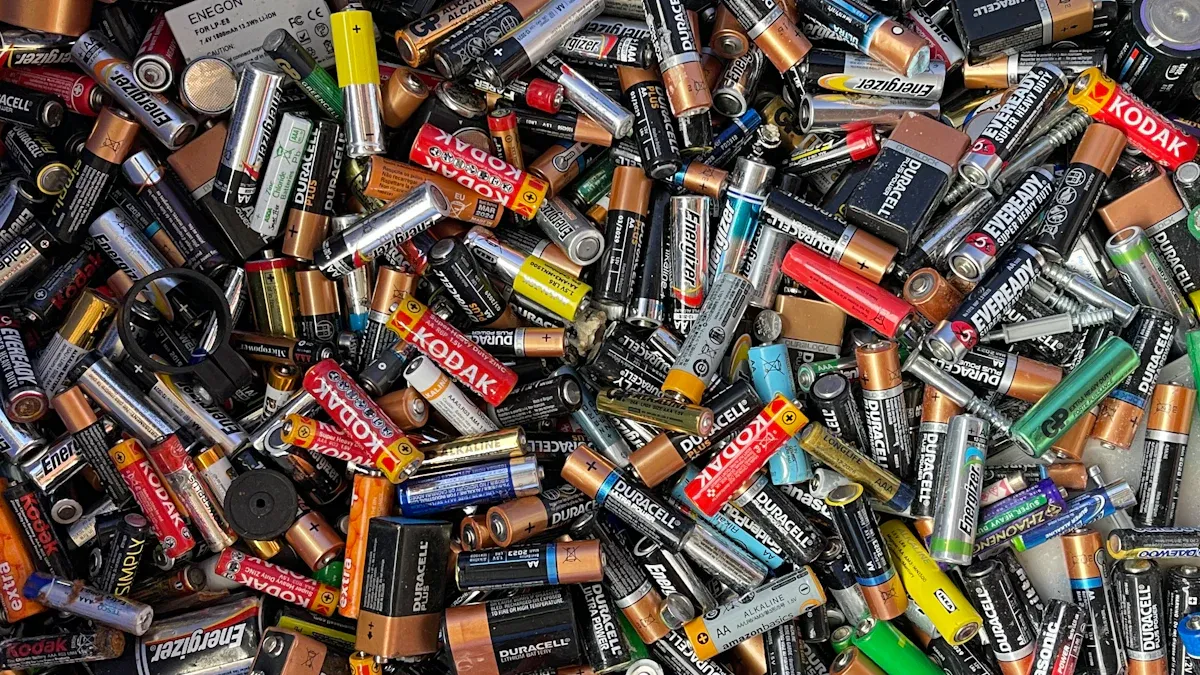
You begin by getting spent lithium-ion batteries ready. First, you break open the battery cells. Then, you separate the active materials from the rest. Next, you use leaching to dissolve lithium and other metals. This makes a liquid solution with lithium inside. This step helps remove things you do not want. You end up with a solution full of lithium for the next steps. Hydrometallurgical methods help you get more lithium out. Pre-treatment and leaching make lithium extraction work better. They also make later steps easier.
After leaching, you use MVR evaporation and crystallization. This step makes the lithium solution stronger. MVR technology compresses and recycles vapor. This raises the temperature and pressure in the system. The process saves energy and makes things more reliable. VNOR’s MVR system can run all the time. You do not need to stop for cleaning or fixing often. The system uses low temperature differences. This means less fouling and less corrosion. Your equipment lasts longer.
MVR evaporation and crystallization make lithium-rich solutions stronger.
You take out sodium sulfate first.
Lithium hydroxide goes through two crystallization steps.
The system makes battery-grade lithium hydroxide.
Automation and self-cleaning keep things working well.
You recycle the mother liquor to get more lithium back.
You can use MVR evaporation and crystallization for hard rock lithium too. BrineRefine technology removes impurities from the solution. SaltMaker MVR technology helps you get very pure lithium chemicals. You can reach zero liquid discharge. This means you do not waste water. You also help protect the environment. MVR evaporation and crystallization make lithium extraction better and more sustainable.
Tip: VNOR’s MVR system uses less energy. It keeps your operation going without stopping. You get more lithium and spend less money.
After MVR evaporation and crystallization, you need to clean the lithium product. You want the final lithium to meet battery-grade standards. You use different ways to remove impurities and make the product better.
Purification Method | Description |
|---|---|
Precipitation | Takes out impurities from lithium solutions. |
Membrane Filtration | Filters tiny impurities for higher purity. |
Recrystallization Technology | Removes leftover impurities from lithium salts. |
Precipitation helps you get rid of unwanted metals. Membrane filtration takes out small particles. Recrystallization technology makes sure the lithium salts are pure. These steps help you meet strict rules for lithium-ion batteries. They also support clean recycling.
You can see that lithium recovery uses advanced extraction technology. VNOR’s MVR system works all the time and uses less energy. It has little fouling or corrosion. You get good lithium extraction and high-quality lithium for batteries. This way helps you use lithium resources wisely and meet the need for lithium-ion batteries.
It is important to pick a lithium recovery method that saves energy and money. MVR evaporation crystallization is better than other recycling methods like solvent extraction, adsorption, and vacuum evaporation. MVR uses electric compressors, not steam-powered jet ejectors. This helps you use much less energy, up to 90% less. In some places, MVR has made energy bills drop a lot. Payback time went from three years to only fourteen months.
Here is a table that shows how MVR compares to other methods:
Factor | MVR | TVR / Multi-Effect |
|---|---|---|
Energy Use | Uses only 5–10% of TVR’s energy | High steam consumption |
Cost | Low operating cost, high ROI | High ongoing steam cost |
Sustainability | Low carbon footprint | More emissions, more waste |
MVR helps you save money and energy. Other recycling methods need more steam and make more waste.
You want to help the environment when you recycle. MVR evaporation crystallization uses less energy and gets back more water. This process makes less chemical waste and works at lower temperatures. You get a cleaner and greener lithium product.
Aspect | MVR Evaporation Crystallization | Alternative Technologies |
|---|---|---|
Energy Consumption | ~40–60 kWh per ton of water | Higher energy requirements |
Water Recovery | High | Variable |
Chemical Waste | Reduced | Higher |
Sustainability Label | Green/Sustainable Lithium | Less emphasis on ESG |
Operating Temperature | 50–70 °C under vacuum | Higher temperatures |
MVR helps you lower your carbon footprint. It supports clean recycling. Other recycling methods may use more chemicals and energy.
You should know which solutions work best with MVR. MVR technology saves energy, is small, and treats materials gently. You do not need a big condenser or pressure vessel. The system fits in many recycling plants.
Strengths | Limitations |
|---|---|
Energy efficiency (up to 90% lower energy consumption) | Higher initial investment |
Reduced operational costs | Maintenance requirements |
Smaller carbon footprint | N/A |
Gentle processing | N/A |
Compact system design | N/A |
If your lithium solution boils above 16 °C, MVR may not work well. You can use other recycling methods like solvent extraction or adsorption instead. Always pick the method that fits your needs.
Tip: MVR is best for lithium recovery when you want low energy use and high water recovery. For solutions with high boiling points, choose other recycling methods.
MVR evaporation crystallization works in many industries. This technology helps get lithium and other metals from old batteries. Many companies use MVR systems to make recycling better and greener. The table below shows how MVR helps in different ways:
Application | Description |
|---|---|
Lithium Recovery | MVR systems make lithium solutions stronger and help get cobalt and nickel. |
Battery Recycling | The process makes lithium hydroxide monohydrate for new batteries. |
MVR technology uses fewer solvents and helps the environment. | |
Resource Recovery | You can get high purity and recovery rates, often over 95%, which is important for closed-loop systems. |
You can use MVR systems in chemical plants, battery factories, and recycling centers. These systems help you meet tough quality rules for lithium products.
Government rules and market changes affect how you use MVR technology. Many countries now want companies to lower pollution and clean water before letting it go. MVR systems help you follow these rules because they use less energy and make less waste. The table below shows how policies help people use MVR:
Evidence Type | Description |
|---|---|
Energy Efficiency Promotion | Rules ask for energy savings, and MVR systems help you reach these goals. |
Environmental Compliance | Laws want less pollution and cleaner water, which MVR technology gives you. |
Financial Incentives | Money help for energy-saving equipment makes it easier to buy MVR. |
Governments now have stricter rules for pollution and water discharge.
MVR systems help you follow these rules.
Rewards for energy-saving technology make MVR a good choice.
New ideas in MVR technology come out every year. Recent projects use multi-effect evaporation systems to make lithium hydroxide faster and greener. The newest MVR evaporators work better and show care for the planet. These changes help you recycle more batteries and meet the need for lithium.
Tip: Using advanced MVR systems lets you get more lithium and helps the environment at the same time.
You get many good things when you use MVR evaporation crystallization for lithium recovery. You use less energy and get very pure materials. You help nature by making less waste and saving water. Advanced technology makes recycling better.
VNOR’s system helps reach these goals. Experts say MVR gives strong heat recovery and good control.
Strengths | Details |
|---|---|
Energy savings | You need less power for recycling. |
High purity output | You can remove over 99.5% of NaCl. |
Reliable performance | It cleans itself and is easy to fix. |
Projects in places like Qinghai and South America show MVR works well for future needs. More industries will use this technology to save resources and help recycle batteries.
MVR evaporation crystallization helps you save energy. It works with high efficiency. You can get lithium from batteries. The process makes battery-grade li₂co₃ and lioh. There is less waste made. The system is good for heat-sensitive materials.
First, you break down the batteries. Leaching dissolves the lithium inside. MVR evaporation crystallization makes the solution stronger. You get lithium carbonate and lithium hydroxide. Purification steps make sure you get battery-grade li₂co₃ and lioh.
You can use this process for many battery types. It works for lithium-ion batteries and others. The recovery process fits different battery chemistries. You get battery-grade li₂co₃ and lioh from spent batteries. The system can change to meet recycling needs.
VNOR’s MVR system recycles vapor. You save energy and get good results. The process runs by itself. You recover battery-grade li₂co₃ and lioh from batteries. The system lowers fouling and corrosion. This makes lithium recovery safer.
You use purification steps in the process. Precipitation helps remove impurities. Membrane filtration takes out tiny particles. Recrystallization makes the lithium salts pure. You get battery-grade li₂co₃ and lioh from batteries. The process gives you high-purity lithium carbonate for new batteries.

